

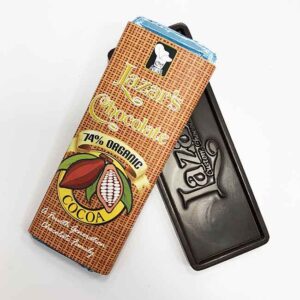
 Chocolate is enjoyed all over the world, but not all chocolate is created equal. While inexpensive candy bars are widely available, high-quality chocolate stands out for its flavor, texture, ingredients, and craftsmanship.
Understanding what makes chocolate truly premium can help you choose better chocolate whether you’re buying it for eating, gifting, or baking. In this guide, we’ll explore the key characteristics that define high-quality chocolate.
High Cocoa Content
One of the most noticeable differences between standard chocolate and premium chocolate is the percentage of cocoa.
Higher-quality chocolate usually contains a larger percentage of cocoa solids and cocoa butter, which creates a deeper and more complex flavor.
Typical ranges include:
-
Dark chocolate: 60–85% cocoa
-
Milk chocolate: 30–50% cocoa
-
Premium dark chocolate: often 70% or higher
A higher cocoa percentage generally means less added sugar and stronger chocolate flavor.
Quality Cacao Beans
Great chocolate begins with high-quality cacao beans. The flavor of chocolate is strongly influenced by the origin of the beans, similar to how coffee or wine varies by region.
Factors affecting cacao quality include:
-
Soil conditions
-
Climate
-
Cacao variety
-
Farming practices
Many premium chocolate makers use single-origin cacao, meaning the beans come from one specific region or farm. This allows unique flavor notes—such as fruity, nutty, or floral—to stand out.
Minimal and Natural Ingredients
High-quality chocolate typically contains fewer ingredients and avoids unnecessary additives.
A simple ingredient list for dark chocolate often includes:
-
Cacao beans or cocoa mass
-
Cocoa butter
-
Sugar
-
Vanilla (sometimes)
-
Lecithin (occasionally, as an emulsifier)
Lower-quality chocolate often includes:
-
Artificial flavorings
-
Vegetable oils
-
Excess sugar
-
Fillers
Premium chocolate focuses on purity and balance, allowing the cacao flavor to shine.
Smooth Texture and Mouthfeel
Texture is another hallmark of high-quality chocolate.
Premium chocolate should feel:
-
Smooth
-
Creamy
-
Velvety when melting
This texture comes from careful grinding and a refining process that reduces particle size to extremely fine levels. The result is chocolate that melts smoothly in your mouth rather than feeling gritty.
Proper Tempering
Good chocolate also has a distinctive appearance and snap.
High-quality chocolate should:
-
Look glossy and shiny
-
Break with a clean snap
-
Melt smoothly without becoming waxy
These qualities come from proper tempering, a process that stabilizes cocoa butter crystals. Tempering ensures the chocolate maintains its structure and texture.
Complex Flavor Profile
Premium chocolate offers more than just sweetness. Like fine coffee or wine, good chocolate has layers of flavor.
Depending on the cacao origin and processing, high-quality chocolate may have notes such as:
-
Fruit
-
Caramel
-
Nuts
-
Honey
-
Citrus
-
Floral tones
These flavors come naturally from the cacao bean and careful production methods.
Ethical and Sustainable Sourcing
Many premium chocolate makers prioritize ethical cacao sourcing.
This often includes:
-
Fair wages for cacao farmers
-
Sustainable farming practices
-
Transparent supply chains
-
Direct trade relationships
Ethically sourced cacao helps support farming communities while also encouraging higher-quality crops.
Craftsmanship and Bean-to-Bar Production
Some of the best chocolate is produced by bean-to-bar chocolate makers.
Bean-to-bar producers control every step of the process, including:
-
Selecting cacao beans
-
Roasting
-
Grinding
-
Conching
-
Tempering
This hands-on approach allows chocolate makers to fine-tune flavor and texture, resulting in more distinctive chocolate.
How to Identify High-Quality Chocolate When Buying
If you’re shopping for premium chocolate, look for these signs:
-
Cocoa percentage listed on the label
-
Short ingredient list
-
Cocoa butter instead of vegetable oils
-
Single-origin or bean-to-bar labeling
-
Glossy appearance and firm snap
These indicators often suggest better craftsmanship and ingredients.
Final Thoughts
High-quality chocolate is defined by excellent cacao beans, careful processing, minimal ingredients, and rich flavor complexity. While cheaper chocolate focuses on sweetness and mass production, premium chocolate highlights the natural characteristics of cacao.
By learning what to look for, you can better appreciate the craftsmanship behind great chocolate—and enjoy a far richer tasting experience every time you open a chocolate bar.
Recent Comments