

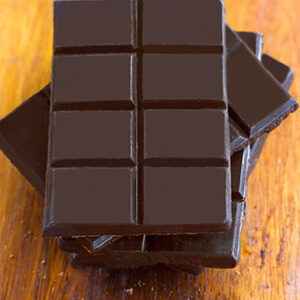
 Chocolate is one of the most loved foods in the world, but few people know the fascinating journey it takes before reaching a chocolate bar. The process starts with cacao trees in tropical regions and goes through several stages including fermentation, roasting, grinding, and tempering.
In this guide, we’ll walk through how chocolate is made step-by-step—from cacao bean to finished chocolate bar.
1. Harvesting Cacao Pods
Chocolate begins with the cacao tree (Theobroma cacao), which grows primarily in tropical climates near the equator. Major cacao-producing regions include:
-
West Africa (Ivory Coast, Ghana)
-
South America
-
Central America
-
Southeast Asia
The trees produce large, colorful pods that grow directly from the trunk and branches. Each pod contains 30–50 cacao beans, surrounded by a sweet, white pulp.
Farmers harvest the pods by hand using machetes or specialized knives to avoid damaging the tree.
2. Fermentation of the Beans
Once the pods are opened, the cacao beans and pulp are placed into boxes or piles and covered with banana leaves to ferment.
Fermentation typically lasts 5–7 days and plays a critical role in developing chocolate flavor.
During fermentation:
-
Natural yeasts and bacteria break down the pulp
-
Heat builds up inside the pile
-
Chemical reactions develop chocolate flavor precursors
Without fermentation, chocolate would taste flat and bitter.
3. Drying the Cacao Beans
After fermentation, the beans still contain too much moisture. They must be dried before shipping to chocolate makers.
Farmers spread the beans out in the sun on drying racks or patios.
Drying usually takes 5–10 days, reducing moisture levels from about 60% to around 7%.
Proper drying helps prevent mold and improves flavor stability.
4. Roasting the Beans
Once the beans arrive at chocolate factories or craft chocolate makers, they are roasted.
Roasting temperatures typically range from 120–160°C (250–320°F) depending on the type of chocolate being made.
Roasting helps:
-
Develop chocolate aroma
-
Reduce bitterness
-
Kill bacteria
-
Make shells easier to remove
The exact roasting profile can significantly affect the final flavor.
5. Cracking and Winnowing
After roasting, the beans are cracked open to remove the outer shell.
Machines break the beans into small pieces called cacao nibs. Air then blows away the lighter shells in a process called winnowing.
What remains are pure cacao nibs—the core ingredient of chocolate.
6. Grinding into Chocolate Liquor
The cacao nibs are ground into a thick paste called chocolate liquor (also known as cocoa mass).
Despite the name, chocolate liquor contains no alcohol. It simply refers to the liquid form created when nibs are finely ground.
This paste contains two natural components:
-
Cocoa solids
-
Cocoa butter (natural fat)
At this stage, the paste is the foundation for all chocolate products.
7. Mixing Ingredients
Depending on the type of chocolate being produced, different ingredients are added.
Common additions include:
-
Sugar
-
Milk powder (for milk chocolate)
-
Extra cocoa butter
-
Vanilla
-
Lecithin (an emulsifier)
The ratios determine whether the final product becomes:
-
Dark chocolate
-
Milk chocolate
-
White chocolate
8. Conching for Smooth Texture
The chocolate mixture then undergoes conching, a process where it is continuously mixed and aerated for hours—or even days.
Conching improves chocolate by:
-
Smoothing the texture
-
Removing unwanted acids
-
Enhancing flavor
This step helps create the creamy mouthfeel associated with high-quality chocolate.
9. Tempering the Chocolate
Before molding, chocolate must be tempered.
Tempering carefully heats and cools the chocolate to stabilize the cocoa butter crystals. This ensures the final chocolate has:
-
A shiny appearance
-
A firm snap when broken
-
A smooth texture
-
Resistance to melting in your hands
Without tempering, chocolate can become dull or develop white streaks called fat bloom.
10. Molding and Cooling
Finally, the tempered chocolate is poured into molds to create bars, truffles, or other shapes.
The molds are cooled until the chocolate hardens. Once set, the bars are removed, wrapped, and prepared for distribution.
At this point, the journey from cacao bean to chocolate bar is complete.
From Tropical Farms to Your Chocolate Bar
The process of making chocolate is a remarkable blend of agriculture, science, and craftsmanship. From harvesting cacao pods to carefully tempering the finished product, each step plays an essential role in creating the flavor and texture we love.
Next time you enjoy a piece of chocolate, remember that it took dozens of steps and months of work to transform a simple cacao bean into a delicious chocolate bar.
Recent Comments